
Direct Cremation
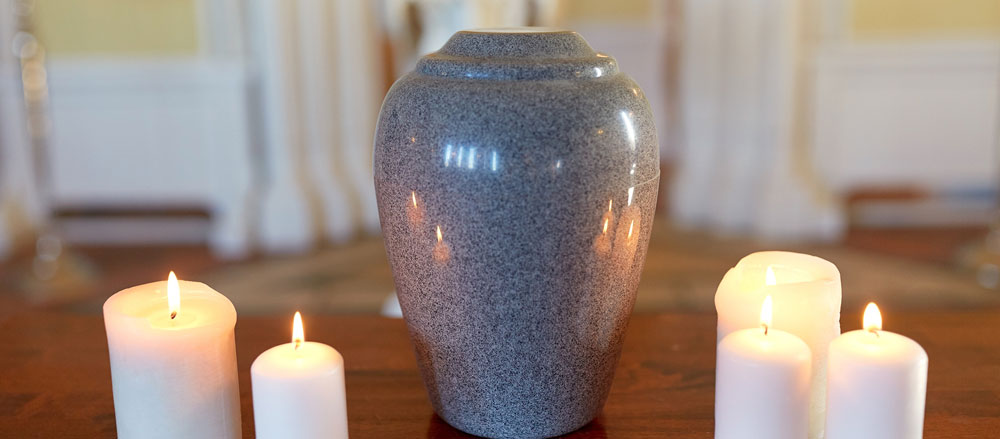
Direct cremation is the most basic and least expensive cremation available, as it only involves the minimal services. Direct cremation is often referred to as simple cremation. However, it is important to understand what direct cremation is, and is not. For example, many families who have a memorial service with only a few friends might refer to that as a “simple cremation.” A direct cremation does not involve any type of service.
Typical steps involved in a direct cremation
- The body is removed from the place of death and taken to the funeral home or crematory.
- The family meets with the funeral director or crematory operator and signs a cremation authorization form.
- The necessary documents are filed, including permits and a death certificate.
- The body is placed in an alternative container, since it is not necessary to purchase or use a casket. The alternative container is simply a corrugated cardboard container (or box). The use of an alternative container is required by law.
- There is typically a waiting period of at least 24 hours, as required by most state laws, before a cremation can take place.
- The cremation is performed.
- At the completion of the cremation process, the cremated remains, or ashes, are placed in a temporary urn made of plastic or cardboard and returned to the family.